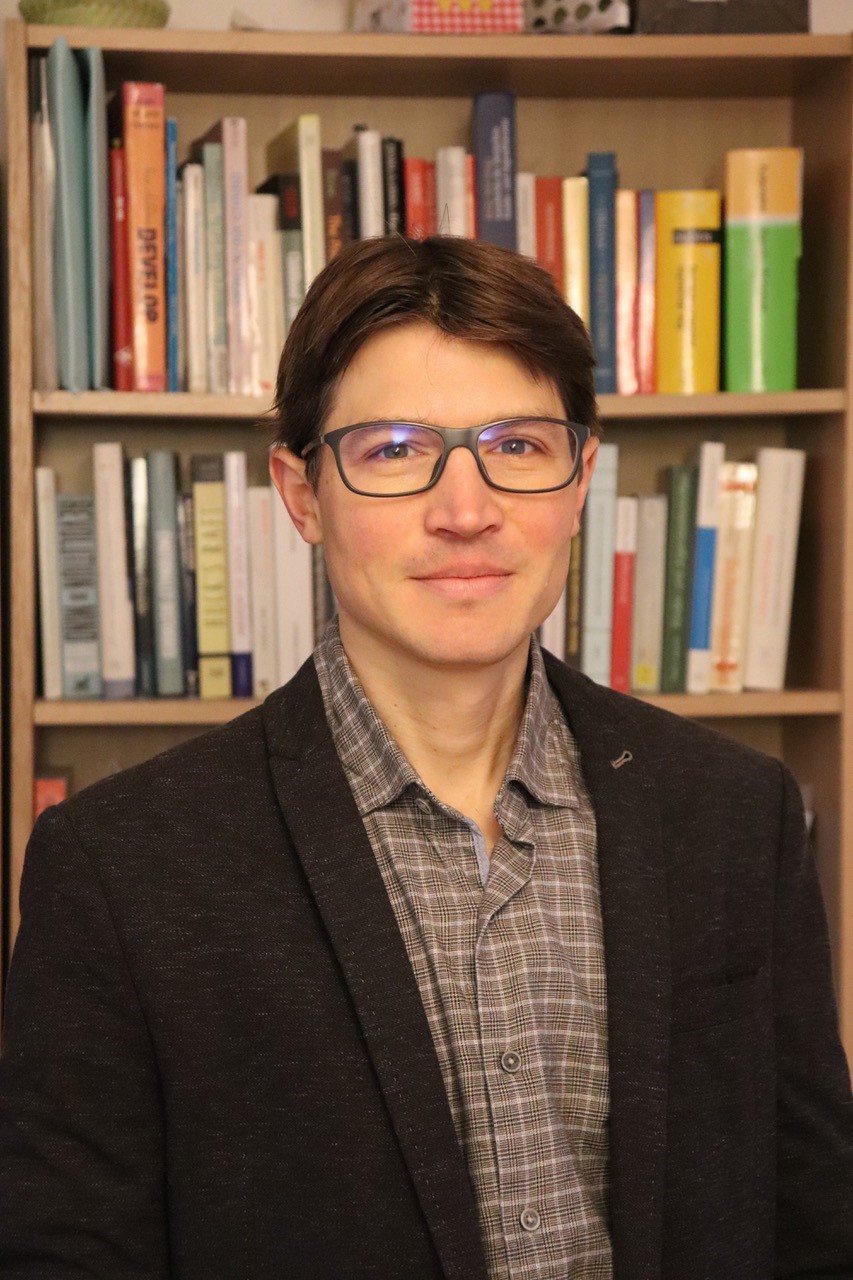
Felix E. Rietmann
Felix E. Rietmann is SNSF-funded assistant professor at the Institut des humanités en médecine at the University of Lausanne. His research focuses on the history of child health from the late 18th to the 21st centuries, the history of pediatric markets, and visual and media cultures of medicine. Felix has a background in both medicine and history. He is PI of the project Pediatric Drugs since 1945: From Local Practice to Global Politics and co-PI of the SNSF-funded interdisciplinary project The ’hospital discharge letter’ through the lens of cultural studies. In the history of pediatric drugs, Felix explores how children have been framed as consumers of medications, how pediatric markets have been created through both pharmaceutical marketing and political regulation, and how we may revisit historical narratives about pharmaceuticals in adult medicine with both eyes on children.
Paul Turberg
Paul Turberg is a Postdoc in the Project. He attained his PhD with the thesis entitled “Santé publique et monopoles privés : le rôle de l’industrie pharmaceutique suisse dans la régulation internationale des médicaments (1959-1985)” at the University of Lausanne in 2025. Paul focuses on the macro-level of the project, namely the history of orphan drugs and essential medicines in pediatrics.


Camille Koch
Camille Koch is a PhD student in the project since February 2026. She has studied History of Science in Bern and Utrecht focusing on the perspective of patients and patient networks in psychiatric care in the late nineteenth century, based on an analysis of hospital files. In this project, Camille examines the marketing of pharmaceuticals to both parents and nurses in perinatal care at the turn of the 20th century.
Frédéric Mader
In their thesis, Frédéric explores the development of gender-affirming practices in 20th century Switzerland and analyze them in their local specificity as well as their global context, especially focusing on socio-cultural and socio-economical factors and actors that shaped the development. By understanding how gender-affirming practices not only changed over the time of the centruy but also during a life-time, they analyze how age and the idea of age specific-development of gender limited or granted access to gender-affirming care. Challenging medical narratives through the lens of trans agency, this thesis also tells a story of trans activism and social history in Switzerland, while analysing the interplay of different actors like trans people, medical actors, insurances and the pharmaceutical industries.